Finding the Diverse Uses and Enters of Rubber Keypads in the Innovation Landscape Today
Rubber keypads have actually established themselves as necessary elements in numerous technical applications. Their flexibility makes them appropriate for consumer electronic devices, industrial machines, and clinical gadgets. As these keypads continue to progress, new customization options and style patterns arise. This triggers a more detailed exam of their benefits and producing processes. Understanding these elements might expose why rubber keypads remain a preferred option in the innovation landscape. What exists in advance for this versatile element?
Overview of Rubber Keypads
Rubber keypads serve as a fundamental part in various electronic gadgets, using a tactile interface for user interaction. These keypads are commonly made from silicone or rubber products, which supply flexibility and durability. Their style commonly incorporates raised letters or signs, improving functionality by allowing customers to feel the keys - Rubber Keypads. Rubber keypads are immune to dust, dampness, and wear, making them appropriate for demanding environments
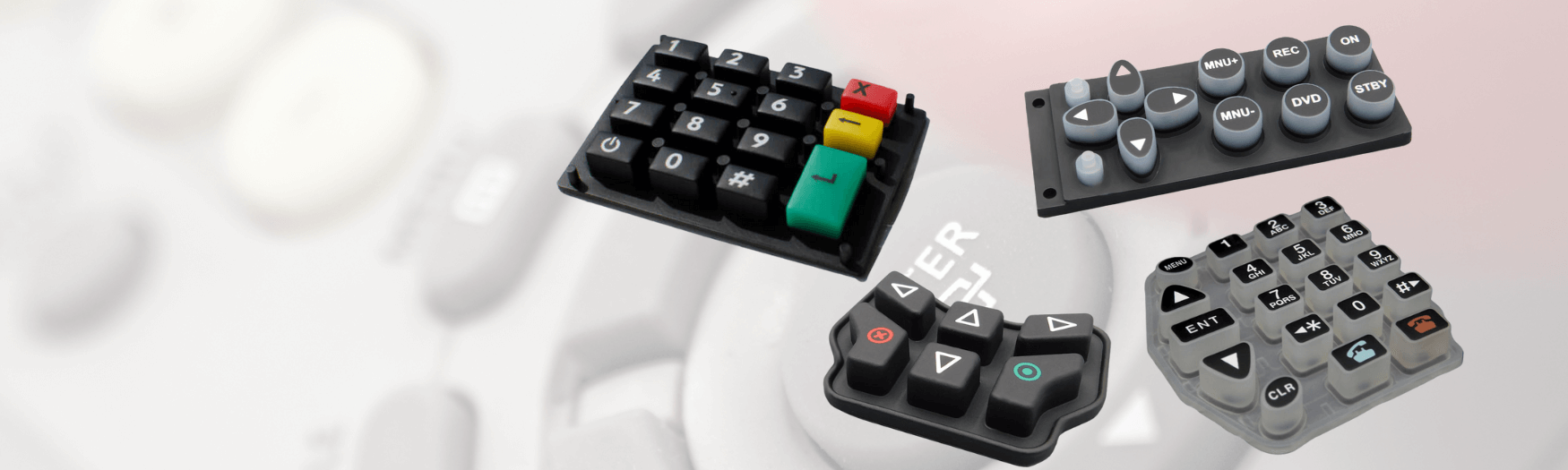
They can be tailored regarding color, dimension, and shape, permitting suppliers to create special interfaces tailored to details items. The manufacturing process typically involves methods such as molding and printing, guaranteeing top quality output. Therefore, rubber keypads not just enhance capability yet additionally add to the total visual appeals of the device. With these qualities, rubber keypads remain a prominent choice for both customers and makers, stressing their relevance in the technology landscape.
Common Applications in Consumer Electronic Devices
While lots of digital gadgets count on touchscreens for user interaction, rubber keypads proceed to play a crucial duty in consumer electronic devices. These keypads are extensively utilized in devices such as push-button controls, video gaming controllers, and household home appliances, where tactile feedback enhances customer experience. Their sturdiness and resistance to use make them ideal for tools regularly subjected to heavy usage.
Rubber keypads are likewise prominent in mobile phones and mobile gizmos, where small layouts necessitate receptive and reputable input techniques. The ability to customize the shape and texture of rubber keypads permits makers to develop distinct layouts that interest consumers. Additionally, the soft touch of rubber offers convenience during extended usage, making these keypads a preferred choice for tools needing extensive interaction. In general, rubber keypads remain a vital part in the customer electronic devices landscape, incorporating performance with easy to use attributes.
Duty in Industrial and Medical Devices
Rubber keypads play a necessary role in both clinical and industrial equipment, offering toughness and dependability in requiring environments. In industrial setups, they are often utilized in control panels and equipment, improving operator interaction with complex systems. In the medical area, rubber keypads assist in straightforward interfaces for gadgets that require accuracy and hygiene.
Industrial Devices Applications
Keypads play a necessary role in the performance and user experience of industrial and clinical tools. In industrial setups, rubber keypads provide a robust interface for machinery and control systems, allowing drivers to easily input commands and change setups. Their resistance to dirt, moisture, and chemicals assurances integrity under rough conditions typical of manufacturing facilities and making plants. In addition, the responsive feedback offered by rubber keypads enhances individual interaction, lowering the chance of input mistakes. Along with standard machinery, these keypads are important in automated systems and robotics, where accuracy is extremely important. The versatility of rubber keypads in different industrial applications underscores their significance in boosting operational performance and guaranteeing security in intricate atmospheres.
Medical Tool Integration
As clinical devices increasingly require user-friendly interfaces, the combination of rubber keypads has actually become essential in making certain efficient communication in between health care specialists and tools. These keypads offer tactile feedback, helping with intuitive procedure also in high-pressure settings. Their sturdiness and resistance to extreme cleaner make them suitable for clinical setups, where hygiene and longevity are critical. Furthermore, rubber keypads can be tailored to consist of various shapes, dimensions, and shades, enhancing visual acknowledgment and ease of access for customers. This adaptability enables the production of specialized controls tailored to certain medical features, boosting overall efficiency. The duty of rubber keypads in medical tool assimilation not only boosts capability yet also advertises patient safety and security and functional dependability in medical care environments.
Modification Options and Design Trends
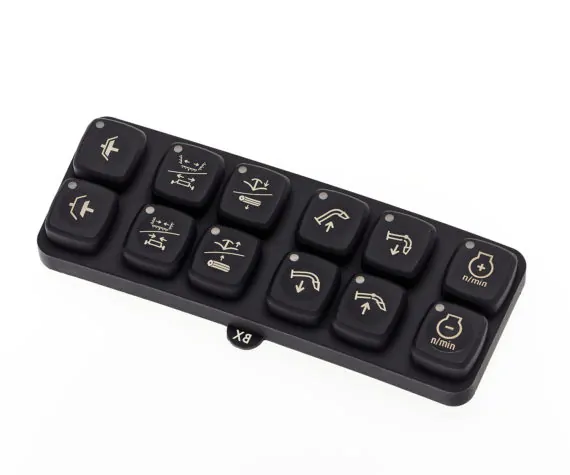
Recent style patterns emphasize minimalism and ergonomics, prioritizing customer convenience and user-friendly interaction. Custom logos and branding can be integrated right into keypads, enabling companies to preserve a cohesive brand name identity throughout their products. In addition, innovations in manufacturing methods, such as silicone molding, have actually made it easier to achieve intricate designs and personalized designs.
Benefits of Rubber Keypads Over Other Types

Rubber keypads are additionally recognized for their toughness and resistance to ecological factors. They can hold up against dirt, temperature level, and dampness variations, making them perfect for outdoor or commercial settings. In addition, rubber keypads are usually quieter than their plastic or metal equivalents, lowering sound pollution in common environments.
Additionally, the cost-effectiveness of rubber keypads makes them an appealing choice for producers. Their light-weight nature adds to decrease delivery expenses, while their customizable styles satisfy specific branding needs. Generally, rubber keypads stand for a reliable and functional service in the innovation landscape.
Production Techniques for High Quality and Resilience
In the production of rubber keypads, the choice of suitable materials and molding procedures plays an essential duty in determining total high quality and longevity. Numerous molding techniques, such as compression and shot molding, greatly influence the final product's efficiency. Understanding navigate to this website these factors is necessary for attaining excellent results in rubber keypad manufacturing.
Molding Processes Discussed
A selection of molding procedures play an important duty in the production of rubber keypads, ensuring both top quality and longevity. One of the most common strategies include compression molding, transfer molding, and shot molding. Compression molding includes positioning rubber in a heated mold and mildew, where warm and pressure shape it right into the wanted form. Transfer molding permits even more precise control over material circulation and appropriates for complicated styles (Rubber Keypads). Injection molding, understood for its speed and efficiency, injects liquified rubber right into a mold under high stress, generating high-volume get rid of consistent top quality. anchor Each method provides distinct benefits, affecting aspects such as production layout, rate, and price flexibility, eventually impacting the efficiency and life expectancy of rubber keypads in numerous applications
Product Selection Importance
Material choice plays an important duty in the manufacturing of rubber keypads, straight affecting their performance and toughness. The choice of rubber compounds, such as silicone or polyurethane, effects responsive feedback, resistance to use, and environmental sturdiness. Top quality products ensure that keypads can endure substantial usage, keeping their capability over time. Furthermore, the formula of rubber affects its resistance to temperature fluctuations and direct exposure to chemicals, which are vital for gadgets in different atmospheres. Using innovative production strategies, such as compression or injection molding, further enhances the structural honesty of keypads. Inevitably, cautious material selection and manufacturing processes add greatly to the overall quality, longevity, and customer satisfaction of rubber keypads in today's technology landscape.
Future Trends in Rubber Keypad Technology
As modern technology proceeds to advance, the future of rubber keypad technology shows up appealing, with developments poised to boost capability and customer experience. One noteworthy trend is the integration of touch-sensitive innovation, allowing capacitive feedback that resembles the feel of typical switches while giving enhanced responsiveness. In addition, the growth of antimicrobial products is most likely to acquire grip, attending to hygiene issues in public and common gadgets.
In addition, customization choices are expected to expand, permitting individuals to individualize essential formats and tactile responses, thus satisfying diverse demands. The unification of clever innovation, such as connectivity attributes, may also emerge, permitting rubber keypads to communicate with various other tools perfectly. As makers concentrate on sustainability, environmentally friendly products are anticipated to come to be extra widespread, straightening with worldwide environmental goals. Overall, these trends assure to reinvent rubber keypads, making them a lot more versatile, user-friendly, and ecologically mindful in the innovation landscape.
Regularly Asked Questions
Exactly How Do Rubber Keypads Contrast in Price to Other Keypad Types?
Rubber keypads normally use an affordable service contrasted to various other keypad types, such as membrane or mechanical choices. Their reduced manufacturing expenses and longevity make them an attractive choice for various applications in technology.
What Are the Ecological Influences of Rubber Keypad Production?
The environmental impacts of rubber keypad manufacturing include resource deficiency, energy intake, and air pollution from making processes. Additionally, inappropriate disposal can cause plastic waste, adding to environmental deterioration and harming communities if not managed sensibly.
Can Rubber Keypads Be Utilized Outdoors?
Rubber keypads can be utilized outdoors because of their sturdiness and resistance to weather elements. Their durability may depend on the quality of materials utilized and the specific ecological conditions they are subjected to.
What Upkeep Is Required for Rubber Keypads?
Rubber keypads require regular cleansing to get rid of dirt and debris, routine inspection for damage, and defense from extreme temperatures. Ensuring proper storage space problems can extend their life expectancy and keep capability in time.
Just How Do Rubber Keypads Perform in Extreme Temperatures?
Rubber keypads generally keep performance in severe temperatures, displaying strength to both cold and heat. Prolonged direct exposure may cause material deterioration, impacting their tactile action and general efficiency in extreme atmospheres.
Rubber keypads serve as a basic part in different electronic tools, supplying a responsive interface for individual interaction. While numerous electronic tools rely on touchscreens for customer communication, rubber keypads continue to play a vital duty in customer electronics. Additionally, the soft touch of rubber provides comfort during prolonged use, making these keypads a preferred option for gadgets requiring extended interaction. Despite the growing range of keypad materials readily available, rubber keypads offer distinct benefits that make them a favored choice in lots of applications. Rubber keypads typically supply an affordable service compared to various other keypad kinds, such as membrane or mechanical choices.